The 10 Best Baking Books
Updated by · How we research

Ten baking cookbooks compared on scope, testing and how well they teach, from crusty bread and sourdough to desserts. King Arthur Baker's Companion leads. When users buy our independently chosen editorial choices, we may earn commissions to help fund the Wiki.
Bread books and dessert books barely overlap. A sourdough guide won't walk you through a layer cake, and most cake books stop at quick breads. That's why many home bakers do best with two books: one broad reference and one for the thing they bake most. This list covers both, for beginners, tinkerers and anyone tired of recipes that flop.


Editor's Notes
October 26, 2026, by Ezvid Wiki Editors:
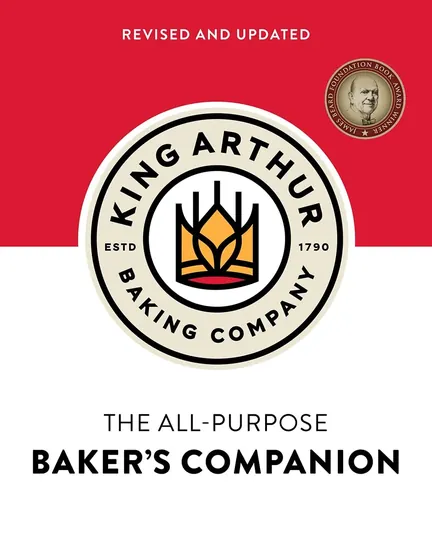
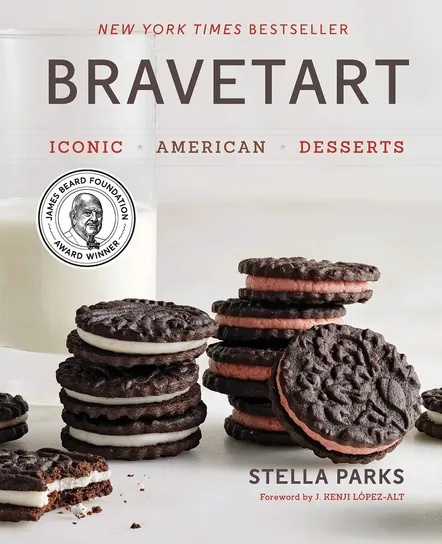
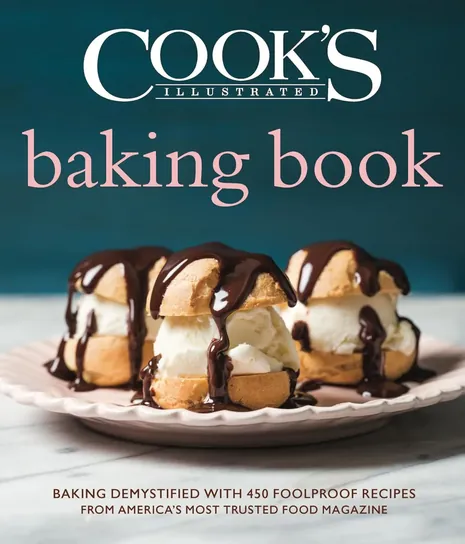
The King Arthur Baker's Companion now leads this list, because most home bakers need one book that covers bread, pie, cookies and cakes and explains what each ingredient does. Flour Water Salt Yeast, BraveTart and the Cook's Illustrated Baking Book stay. Bouchon Bakery dropped out: it's a gorgeous book, but it's written for a pastry kitchen. The Baking Bible and Baking: From My Home to Yours left because neither is reliably in stock, and The Perfect Cookie, Flavor Flours, Dessert For Two and Dominique Ansel: The Secret Recipes gave way to broader books.
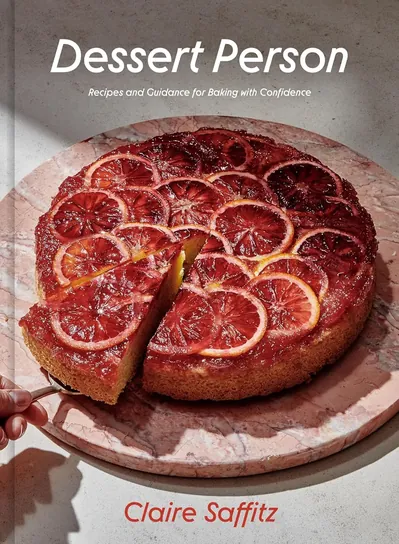
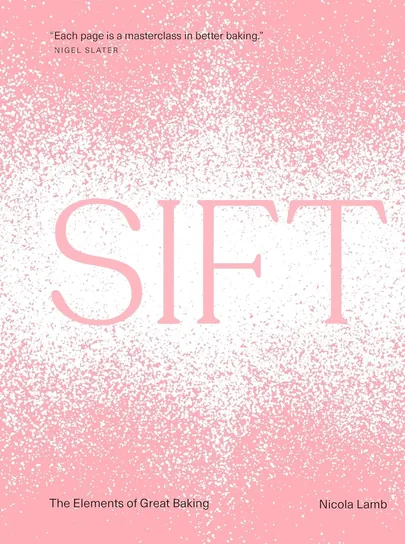
The new picks fill gaps the old list had. Dessert Person and Sally's Baking 101 are for people building confidence, Sift is for people who want the science, The Perfect Loaf handles sourdough, and Mooncakes and Milk Bread brings Chinese bakery breads home. Cookbooks don't get lab tests, so we leaned on what holds up: James Beard and IACP award records, America's Test Kitchen's account of how it tests recipes, each author's background, recipe counts from the publishers, and which titles bakers have kept buying for a decade or more.
Earlier notes
March 5, 2021, by Brett Dvoretz:
Really great cookbooks stand the test of time. Just look at Mastering the Art of French Cooking by Julia Child or Beard on Pasta by James Beard. These are two classic tomes that should be in every home cook's and aspiring chef's collection, despite being written decades ago. And, since we have some of the best baking books here, it may not come as much surprise that we didn't have to make too many changes to our recommendations.
There are a few noteworthy updates worth mentioning though. One of which is removing the previous Cook's Illustrated's Baking Book in favor of the more recent edition. The 2013 version was entirely in black and white, whereas the 2018 edition has color photographs, something that is appealing in any cookbook. We will caution, that if you already have the 2013 edition, there isn't much point in buying the newer one, as they contain mostly the same recipes.
Another changes was to remove The Artful Baker: Extraordinary Desserts in favor of Dominique Ansel: The Secret Recipes. While there is nothing necessarily wrong with the former, it comes from a self-taught baker and blogger, whereas the latter comes from a professional who was named the World’s Best Pastry Chef at one point. He also runs one of the most popular bakeries in New York and is known for making some of the most extraordinarily delicious and creative desserts, so it is the ideal choice for someone who truly wants to be inspired.
October 25, 2019, by Gia Vescovi-Chiordi:
Any baking book worth its salt will not only include delicious, simple-to-follow recipes and helpful pictures, but it will also explain techniques and some baking science, have handy tips, and go over ingredients, shopping, storage, measurements, and equipment. Some will assume you have things like kitchen scales and stand mixers on hand, as well as common ingredients, but most won't require specialty items unless the book is niche or meant to elevate your skills and help you experiment. All of the books on this list were ranked based on these priorities.
Our selections are meant to cater to both beginning and experienced bakers, with some that focus on savory bakes and breads (Flour Water Salt Yeast), or cookies (The Perfect Cookie), while others run the gamut (Baking Demystified). We also wanted to include volumes that catered to gluten-free diets (Flavor Flours, BraveTart: Iconic American Desserts) and couples or those who live alone and don't want recipes that feed an army of people (Dessert For Two).
While we still think How Baking Works is fascinating and a must for any home cook who wants to truly understand what's happening in the oven and the mixer, we felt it was a bit too akin to a textbook to merit a spot on this list. We also let go of Christina Tosi's Momofuku Milk Bar for the more practical and equally artistic The Artful Baker: Extraordinary Desserts.
Special Honors
King Arthur Baker's Hotline King Arthur Baking Company runs a hotline staffed by bakers who answer questions by phone, chat and email. It's a handy backstop when a loaf won't rise or a crust shrinks, whichever book the recipe came from. kingarthurbaking.com
Kitchen Arts & Letters This independent New York bookstore has specialized in food and drink books since 1983. Its shelves run from home baking to professional pastry, and it offers a search service for out-of-print titles, which helps when a classic baking book goes scarce. kitchenartsandletters.com
Match The Book To What You Bake
Books such as The Baker's Manual and How Baking Works are written for culinary students, with formulas sized for production and long chapters on ingredient chemistry.
Start with the thing you make most. Bread books and dessert books share less than you'd think. A bread book spends its pages on fermentation, shaping and steam, while a dessert book spends them on creaming butter, custards and pastry. If you bake a bit of everything, a broad reference earns its shelf space first. The King Arthur Baker's Companion covers yeast breads, sourdough, cookies, pies and cakes, and its first edition was named Cookbook of the Year at the 2004 James Beard Foundation awards (James Beard Foundation Awards, 2000s).
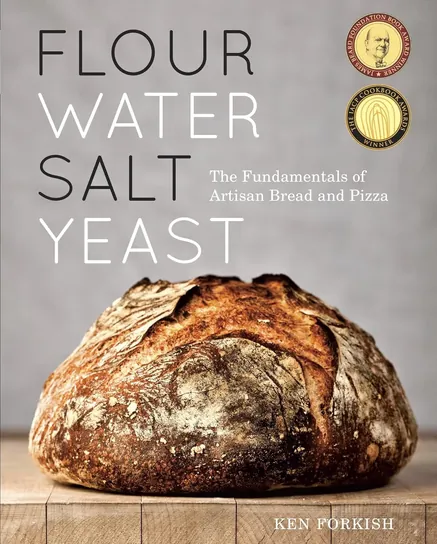
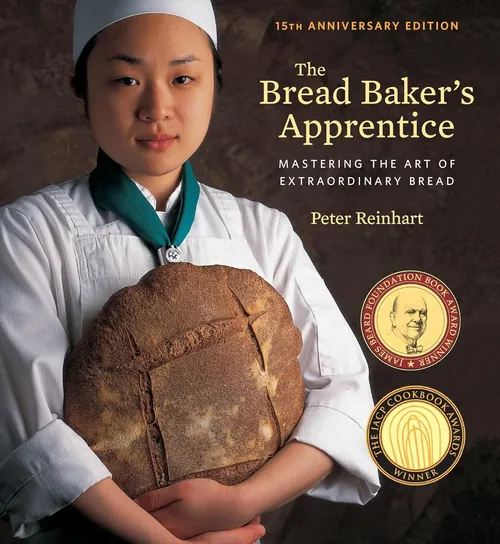
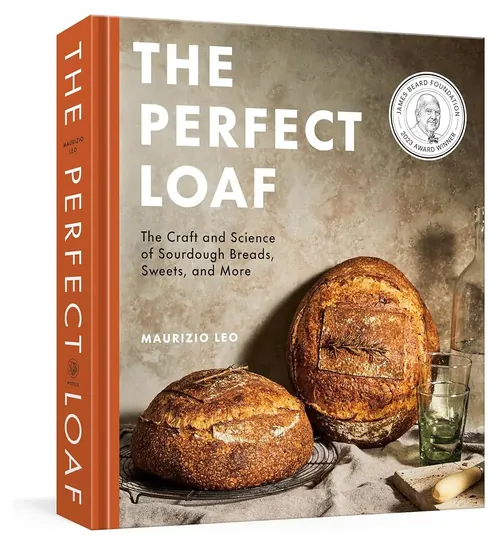
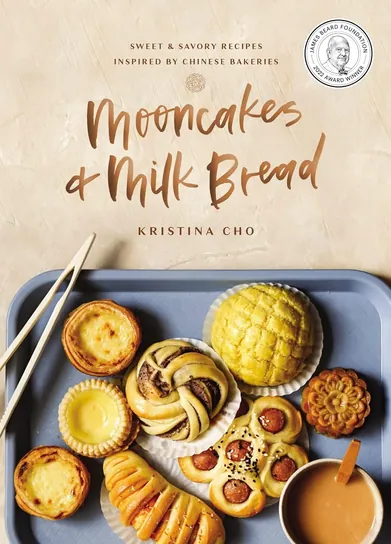
For bread alone, pick by method. Flour Water Salt Yeast teaches crusty loaves in a covered pot, The Bread Baker's Apprentice is a classic course that won both the James Beard and IACP Cookbook of the Year honors in 2002, and The Perfect Loaf is for sourdough. For desserts, award lists are a useful filter: the James Beard Foundation's baking and dessert book award went to Mooncakes and Milk Bread in 2022 and to Sift in 2025 (James Beard Foundation Awards, 2020s).
Professional texts are a different animal. Books such as The Baker's Manual and How Baking Works are written for culinary students, with formulas sized for production and long chapters on ingredient chemistry. They're excellent if you're studying the trade, but heavy going for a Saturday batch of muffins. Rose Levy Beranbaum, author of The Bread Bible and The Cake Bible, keeps a list of the books she reaches for, including one devoted to baking at high altitude (Real Baking with Rose).
Weights, Scales And Tested Recipes
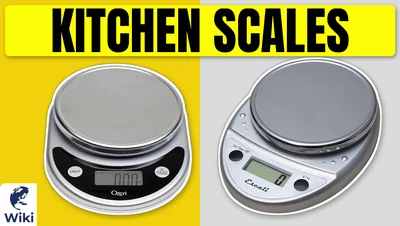
The biggest single upgrade for most home bakers is a digital kitchen scale. A cup of flour can vary a lot depending on how it's scooped, and a loaf or a cake built on the wrong amount of flour turns dense or dry. Bread books such as Flour Water Salt Yeast and The Perfect Loaf write their formulas by weight for that reason, and they often add baker's percentages, which show every ingredient as a share of the flour. That makes it simple to scale a recipe up or down.
Testing matters as much as measuring. America's Test Kitchen, which publishes Cook's Illustrated, says it makes each recipe 40 to 60 times before it's published (America's Test Kitchen). Most cookbooks don't disclose how much testing went into them, so a strong track record, a long time in print, or an award are the best signs you'll get.
Sourdough books carry one more requirement: a live starter. Raising one from scratch usually takes a week or two of daily feeding before it can lift a loaf, so plan on that time before the first bake. If you'd rather start sooner, the same-day yeasted breads in Flour Water Salt Yeast use packaged yeast.
Raw Flour, Raw Dough And Other Kitchen Safety
Licking the spoon is a bad habit to pass on. The U.S. Food and Drug Administration calls flour a raw food that can carry Salmonella and harmful E. coli, because milling doesn't kill germs picked up in the field. It advises never eating or tasting raw flour, dough or batter, and it says home methods of heat-treating flour aren't reliable. Since 2009 it counts 168 known illnesses and 20 hospitalizations from outbreaks tied to raw flour and flour products like cake mix and cookie dough (FDA).
Raw eggs add a second risk, so cookie dough, some frostings and mousse-style fillings should be cooked or made with pasteurized eggs. Wash hands, bowls and counters after handling flour and eggs, and keep raw dough away from small children.
Allergies are the other thing to plan for. Most baking recipes use wheat, eggs, milk and often nuts. A gluten-free chapter in a general book doesn't account for cross-contact with ordinary flour in your kitchen, so anyone baking for someone with celiac disease or a serious allergy needs separate tools and care beyond what any recipe can promise.
How we researched this
We compared 20 baking books, from home references to professional texts, and narrowed them to 10 finalists. We used each publisher's description of scope and recipe counts, James Beard Foundation and IACP award records, America's Test Kitchen's published account of its recipe testing, each author's background, long-run reader demand and availability, and FDA guidance on raw flour and dough for the safety advice.
Sources (10)
- James Beard Foundation Award: 2020s (Wikipedia)
- James Beard Foundation Award: 2000s (Wikipedia)
- Claire Saffitz (Wikipedia)
- Stella Parks (Wikipedia)
- Peter Reinhart (Wikipedia)
- Ken Forkish (Wikipedia)
- America's Test Kitchen (Wikipedia)
- FDA: Handling Flour Safely
- Real Baking with Rose: favorite books
- King Arthur Baking: Baker's Hotline
Frequently asked questions
What is the best baking book for beginners?
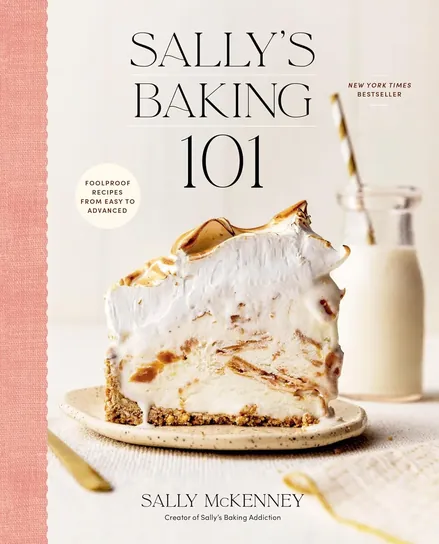
Sally's Baking 101 is built for beginners, with technique lessons up front and recipes ordered from easy to advanced. Dessert Person suits beginners who want a bit more challenge, since every recipe lists its difficulty and time.
What is the best book for learning to bake bread?
Flour Water Salt Yeast is the usual first choice for crusty loaves baked in a covered pot. The Bread Baker's Apprentice is a fuller course in classic breads, and The Perfect Loaf is the pick for sourdough.
Do I need a kitchen scale to use these books?
For the bread books, yes. They write their recipes by weight, and a scale gives far more consistent results than measuring cups. Many dessert books also list weights.
Is it safe to taste raw cookie dough or cake batter?
No. The FDA says flour is a raw food that can carry Salmonella and E. coli, and it advises never eating raw flour, dough or batter, even with egg-free recipes.
Are older baking books still worth buying?
Yes. Good technique doesn't go out of date, and classics such as The Bread Baker's Apprentice are still in print. Older books tend to measure in cups first, so expect to convert if you bake by weight.